
How to Get the Most Out of Your Time Spent in Meetings

This is one of the things I enjoyed the least about aid work--- the number of ridiculous meetings we have to attend. Of course some meetings can be very productive, but let's face it, most of them are at least a partial waste of time. Because I have heard this is a challenge for so many of you, I am doing a two part episode on meetings - so you can free up more time during your week to focus o...
Recruiting High Performers that Fit Your Organization's Culture
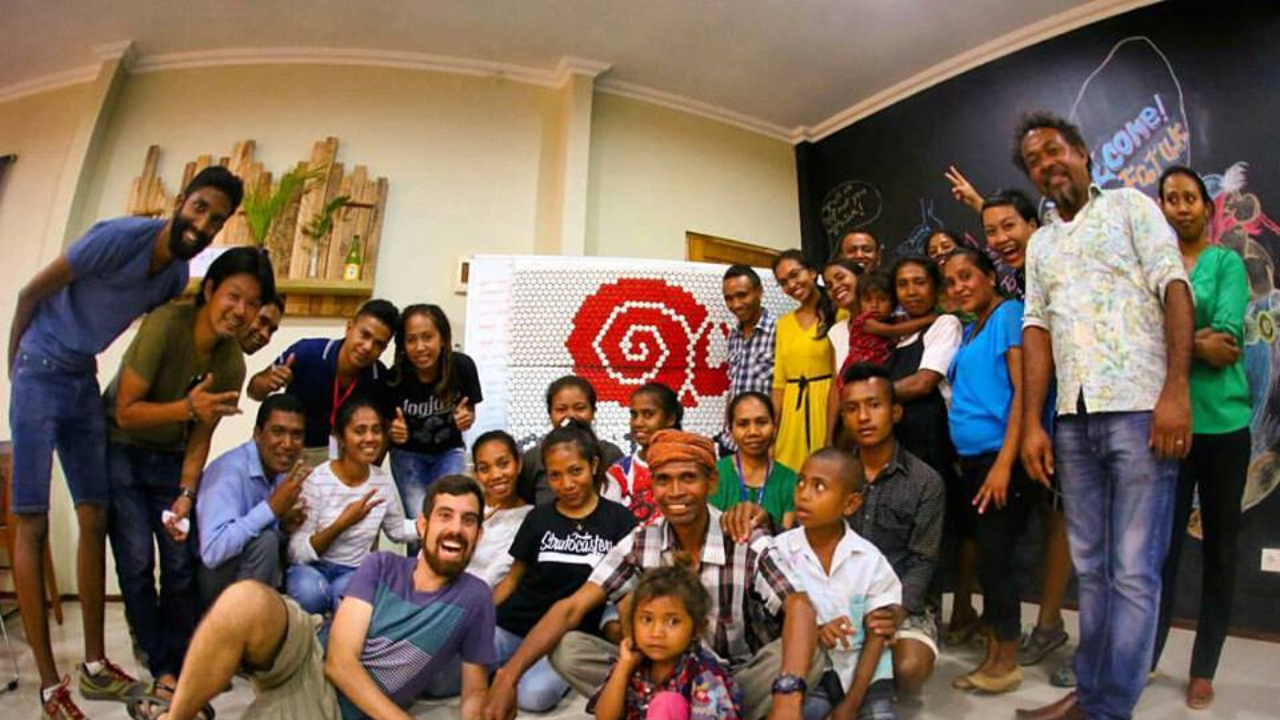
I have recruited staff before that were great at interviewing and talking about their experience, but once hired demonstrate a poor attitude. One example is a Project Manager who was great at selling herself but then consistently talked down to the admin staff, treating them like her personal servants. This type of disrespect is exactly the opposite of the type of culture we work hard to maint...
Five Ways to Incorporate "Deep Work" Into Your Routine

Do you ever feel like you are in reactive mode, responding to what is going on around you during your day but not having the time to work on tasks that require focused and undistracted thought time? Making time for focused time or “deep work” as Cal Newport claims in his in his bestselling book, is linked with innovation, greater productivity and staff morale. But deep work isn’t just somethin...
Creating Boundaries with Our Time

One of the major struggles in aid work that I have encountered both myself and amongst other aid workers is around protecting a certain number of hours during the work week to work on those “important” tasks. You know, the tasks that can help us make a bigger impact, and advance our teams and ourselves professionally. But somehow, it always seems like other things get in the way of working on th...
The Right and Wrong Way to Coach Someone

Coaching is becoming more recognized in international development as a powerful leadership methodology that when used properly will help your direct reports develop professionally, realize their goals and become the best version of themselves. That said, there are a lot of misconceptions of coaching, what it is and how to do it. In this episode I share three common misconceptions (the wrong way ...
How to Use Difficult Feedback for Positive Growth

It can be scary to seek feedback, knowing that if you are to get genuine feedback there are inevitably things you will find out about that you may not want to know. Add to that the difficulty of receiving open feedback in some of the cultures where we work in the humanitarian context, and receiving honest feedback becomes even more challenging. And what do you do once you have received that fe...
Using Batching to Save Time in Aid Work

Over the last few months I took the advice of some time management books and tried batching. Batching means implementing similar tasks in one block of time. I am surprised by how much this simple act has freed up my time! For example, I used to spend 8 hours on producing one podcast episode, but after batching I can do about three episodes in four hours! There is much to be said about batching ...
How Being Vulnerable Can Make You A More Effective Leader

Being vulnerable as a leader can earn you more respect and trust with your team, and also make it more likely you will find out about any problems on the horizon before they become too great.
My guest today, Lane Bunkers, shares how being vulnerable has helped him in his 30 years working in international development and some ways you can do the same when working with your team that will make yo...
Get Rid of Those Monkeys! How to Delegate in the Aid Worker Context

The art of delegation in the humanitarian field can be challenging, considering the wide variety of backgrounds of those we manage. Perhaps you have heard of monkey management, a popular article from the Harvard Business Review which explains delegation in terms of monkeys (tasks) and how those monkeys have a tendency to jump onto the backs of their managers. This upward delegation burdens you ...
Maintaining Work-Life Balance as a Regional Emergency Advisor

As aid workers we all strive to get the sometimes elusive "work-life balance." It can certainly be tricky, with competing priorities at work and emergencies to respond.
I chose today's guest, Matthew McIlvenna because although he oversees the emergency operations for WFP in nine countries, he somehow manages to go home at a reasonable hour and devote time to extracurricular activities (one of...